Uma Roth · 19 October 2026
Lakecrest School Board Upgrades Spark New Garden Learning Programs Tied to Local Bird Tracking Efforts
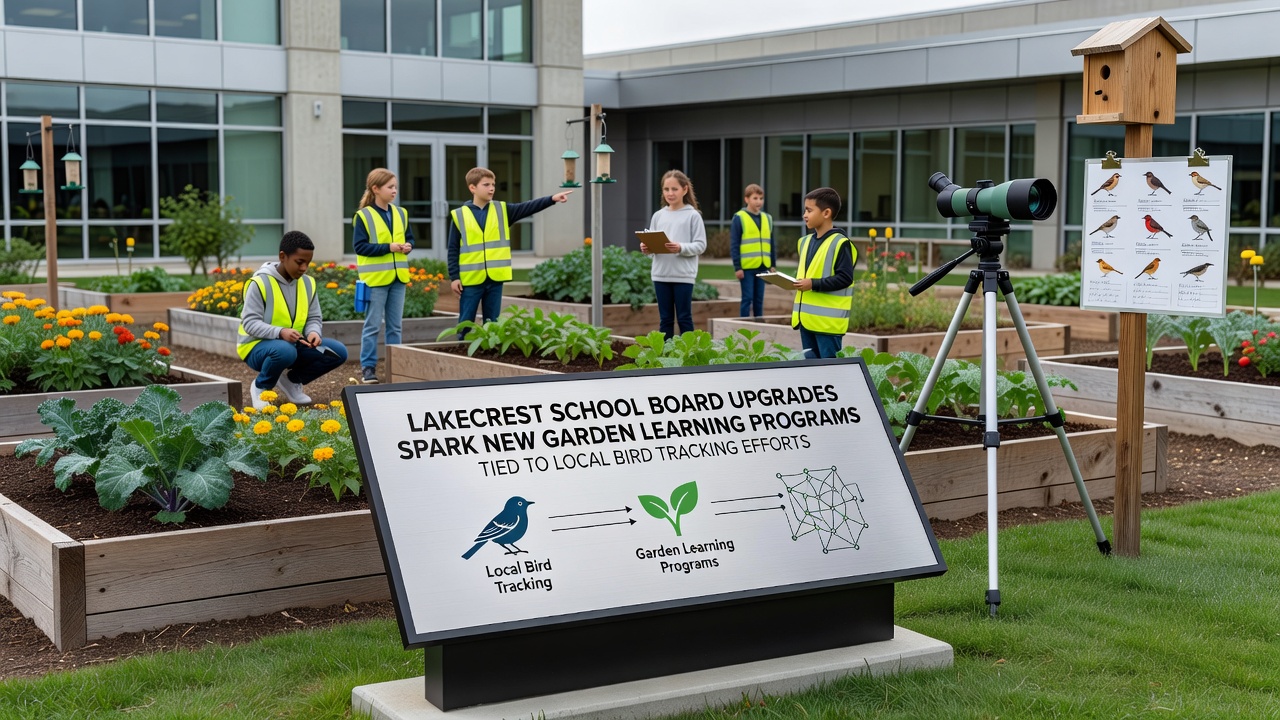
School board upgrades in Lakecrest have introduced enhanced digital infrastructure across multiple campuses, and these changes now support expanded garden learning programs that incorporate ongoing local bird tracking activities, according to district reports released earlier this year. The improvements include updated networking systems and classroom devices that allow real-time data collection from outdoor sites, while students participate in structured observation sessions tied directly to regional avian studies.
Facility Improvements Drive Expanded Curriculum Options
Board-approved technology enhancements reached completion in the spring of 2025, and these upgrades replaced older hardware with systems capable of handling large datasets from field sensors placed in school gardens. District records show that eight elementary and middle schools received the new equipment bundles, which connect to weather stations and motion-activated cameras positioned along garden perimeters. Teachers now use these tools to log bird sightings alongside plant growth metrics, creating integrated lessons that span science and technology classes.
One program at Central Lakecrest Elementary has already logged over 120 bird species visits since the sensors went live, and coordinators credit the stable internet connections for enabling students to upload observations to shared databases without delays. The same infrastructure supports video feeds that stream to classrooms during inclement weather, allowing continued participation even when outdoor access remains limited.
Garden Sites Become Active Research Stations
Each participating school maintains raised-bed gardens stocked with native plants selected for their value to local pollinators and seed-eating birds, and these plantings serve as the primary locations for student-led tracking efforts. Data collected includes arrival times of migratory species, feeding patterns at installed stations, and nesting activity in provided boxes. School administrators report that the gardens occupy previously underused sections of campus grounds, converting them into measurable learning environments that align with state science standards.
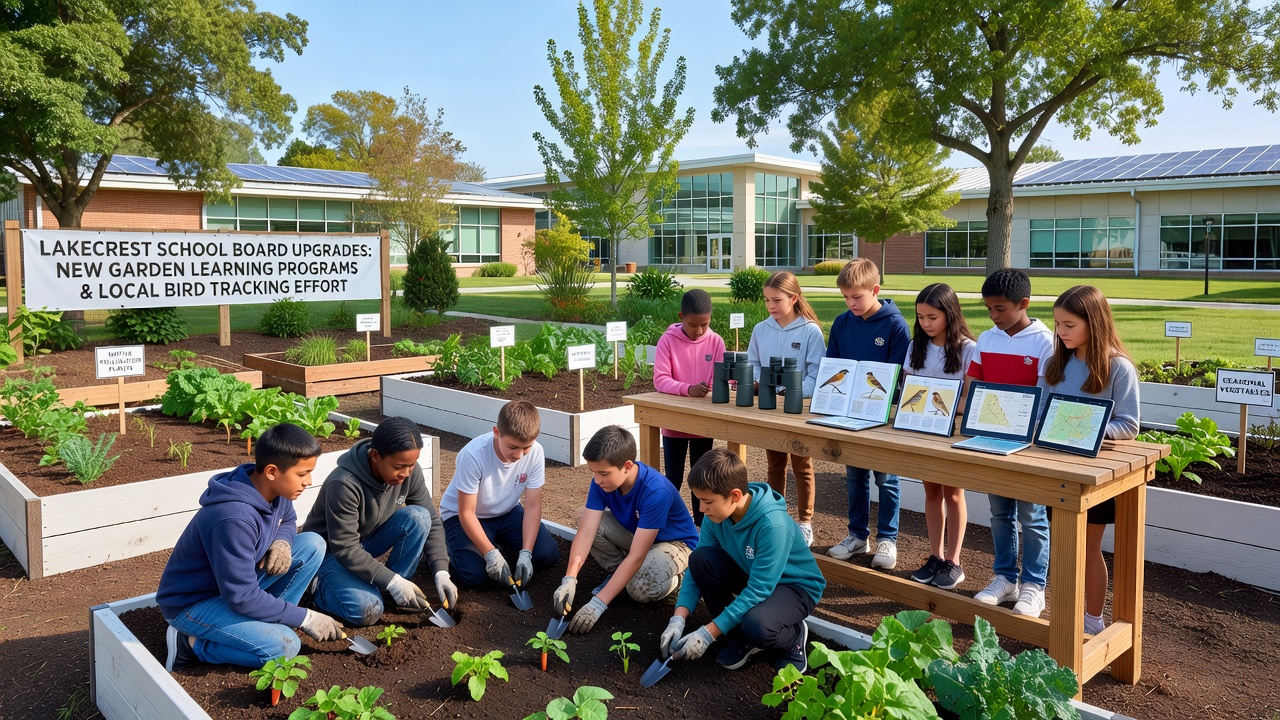
Training sessions for educators began in late 2025, and instructors learned to integrate tracking software with existing lesson plans while maintaining compliance with privacy guidelines for student-collected information. The district has documented participation from 650 students across the first cohort, with sessions scheduled twice weekly during the academic term.
October 2026 Milestones and Data Integration
Plans call for a coordinated monitoring push beginning in October 2026, when additional camera units will activate across all sites to capture peak migration periods. District staff anticipate that the combined datasets will contribute to broader regional inventories maintained by wildlife agencies, and preliminary agreements already exist with external partners to share anonymized records. These partnerships focus on species such as the white-crowned sparrow and Anna's hummingbird, both documented regularly in Lakecrest gardens.
Software updates rolled out in summer 2026 allow automatic cross-referencing of garden observations against established migration maps, and this feature reduces manual entry time for teachers while increasing accuracy. Records indicate that early test runs achieved a 92 percent match rate with verified sightings from nearby conservation areas.
Connections to External Research Networks
Lakecrest programs now feed into platforms operated by established ornithology centers, including the Cornell Lab of Ornithology, where aggregated student data supplements long-term population studies. Similar exchanges occur with Environment and Climate Change Canada, which incorporates select North American observations into cross-border analyses of habitat use. These links emerged after the upgraded school systems demonstrated consistent upload reliability and standardized formatting protocols.
Local coordinators note that the bird tracking component adds measurable outcomes to garden activities, because students track not only presence but also behavioral responses to seasonal changes in vegetation. Annual summaries compiled by the district show increases in documented nesting events compared with baseline figures collected before the technology rollout.
Conclusion
The combination of board-supported infrastructure and garden-based tracking continues to expand the scope of available educational activities in Lakecrest schools. District documentation confirms that the October 2026 monitoring window will serve as a key checkpoint for evaluating program reach, while sustained data contributions support wider scientific efforts through established research channels. Ongoing equipment maintenance and teacher training remain scheduled components that sustain these initiatives through subsequent academic years.